


Why clubs never answer padel coach applications
Antonio Fernández wrote to thirty clubs and four replied. The twenty-six that ignored him lost a coach now teaching thirty-five hours a week in Brussels.
By The Net · August 31, 2026

Antonio Fernández had just finished his degree and was coaching at a busy amateur school in Madrid. He was not short of work. He wanted to live somewhere else, learn a language, and be paid properly for coaching, so he started writing to clubs abroad.
"I contacted around 20 to 30 clubs and about four replied."
He answered our questions in Spanish; the quotations here are translated. That first number is the one worth sitting with, because roughly twenty-six clubs had a qualified, mobile, motivated coach write to them directly and did nothing at all. He now teaches thirty-five hours a week in Brussels for a club that did reply.
One in seven
Ask any coach who has looked for work abroad and the ratio comes back similar. Writing to clubs directly produces a reply somewhere between one time in five and one time in ten. Coaches have learned to expect it and mostly do not take it personally.
Clubs should take it personally, because the silence is not a decision. Almost none of those twenty-six clubs read Antonio's email, decided he was not right, and chose not to answer. The email simply landed in a general inbox alongside court bookings, supplier invoices and a member complaining about the lighting, and nobody owned it.
That is a cheap problem with an expensive consequence. Unsolicited applications are the only channel where a coach approaches you before they are on the open market, which means it is the one place you are not bidding against every other club in Europe. Ignoring it does not save you a shortlist. It costs you the candidates nobody else has seen yet.
If you have an info@ address that nobody is accountable for, that is the whole fix: one person, a weekly look, a two-line reply even when the answer is no.
What he was actually asking for
He was not asking for much, and it was not money first.
"What worried me most was doing it alone, without knowing anyone. I also wanted some certainty about accommodation and a minimum number of working hours before taking the step."
Accommodation and a floor on hours. Those two conditions decide more international hires than salary does, and most listings answer neither. A coach reading your role wants to know whether they will have somewhere to sleep in week one and whether the timetable is real or aspirational. If you can commit to a guaranteed minimum of paid hours, say the number. It converts better than a higher rate with no volume behind it, because a coach who has done this before knows that thirty guaranteed hours beats a good hourly figure on twelve.
The club that hired him ran a real assessment
The club he joined did not just interview him.
"I did an interview, an English test, and I sent videos of me coaching and playing. I think they chose me for my level, my English and because they saw I really wanted to work."
Three stages, none of them expensive, and each one testing something different. The English test matters more than clubs usually admit: in an international club the language is not a bonus qualification, it is the job. Videos of a coach actually running a session tell you things no interview will, and asking for them costs you nothing.
Note the order he puts it in. Level, then English, then attitude. If your process only measures the first of those, you are choosing between candidates on the least predictive of the three. There is more on this in the interview questions that reveal teaching ability and in what to look for when hiring a padel coach.
The whole thing took about a month from first contact to agreement.
What he found hardest was your job, not his
Here is the part clubs consistently underestimate.
"It was a big change, the first time I had lived away from my parents, in another country and another language. My colleagues helped me a lot to adapt. The hardest thing at the start was getting new students and keeping them."
Not the language. Not the paperwork. Filling his own timetable in a city where nobody knew him.
A coach who arrives from abroad starts with zero client base. If you hand them an empty schedule and wait to see how they do, you are testing them on the one part of the job where they have the least to work with and you have the most. You have a member list, a booking system and a reputation locally. They have neither a network nor the language.
The clubs that get this right seed the first month deliberately: put the new coach into existing groups alongside a known coach, announce them to members by name, and give them two or three fixed sessions that already have people in them. The rest of the sequence is in the first thirty days of onboarding a foreign coach.
Where he is now
"I average around 35 hours of lessons a week and I teach all levels. What I like most is the atmosphere and working in a young team."
"Financially and in working conditions I have improved a lot compared with Madrid. I have also improved as a coach and with my English, and I have learned a lot about how to sell my work, get clients and keep them."
That last sentence is the return on the hire. He arrived able to coach and he now also fills groups, which is the skill clubs complain they cannot find and rarely teach anyone. He learned it in his first year in Brussels, largely because the club needed him to.
What to change this week
Antonio applied two ways at once: directly to clubs, and through roles that were already posted. The offer he took came from the second route, and it took a month. The clubs that never answered his email are still looking for coaches.
Give the general inbox an owner, and put a number of guaranteed hours in your next listing. How hiring works for clubs covers what happens once a role goes up.
Keep reading
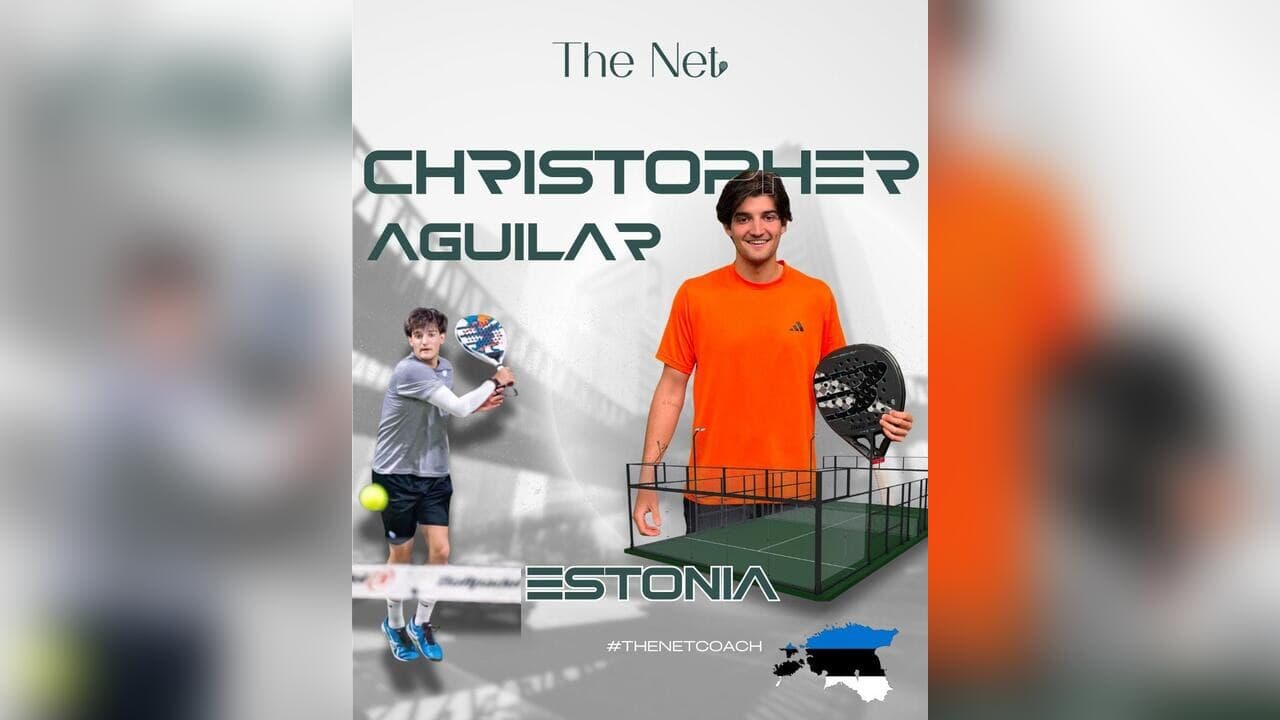
Success stories
The padel coach interview that wins: talk about your project, not their CV
Christopher Aguilar interviewed with five clubs in Estonia and two made him an offer. The padel coach interview that won him was a conversation about the club.
September 20, 2026
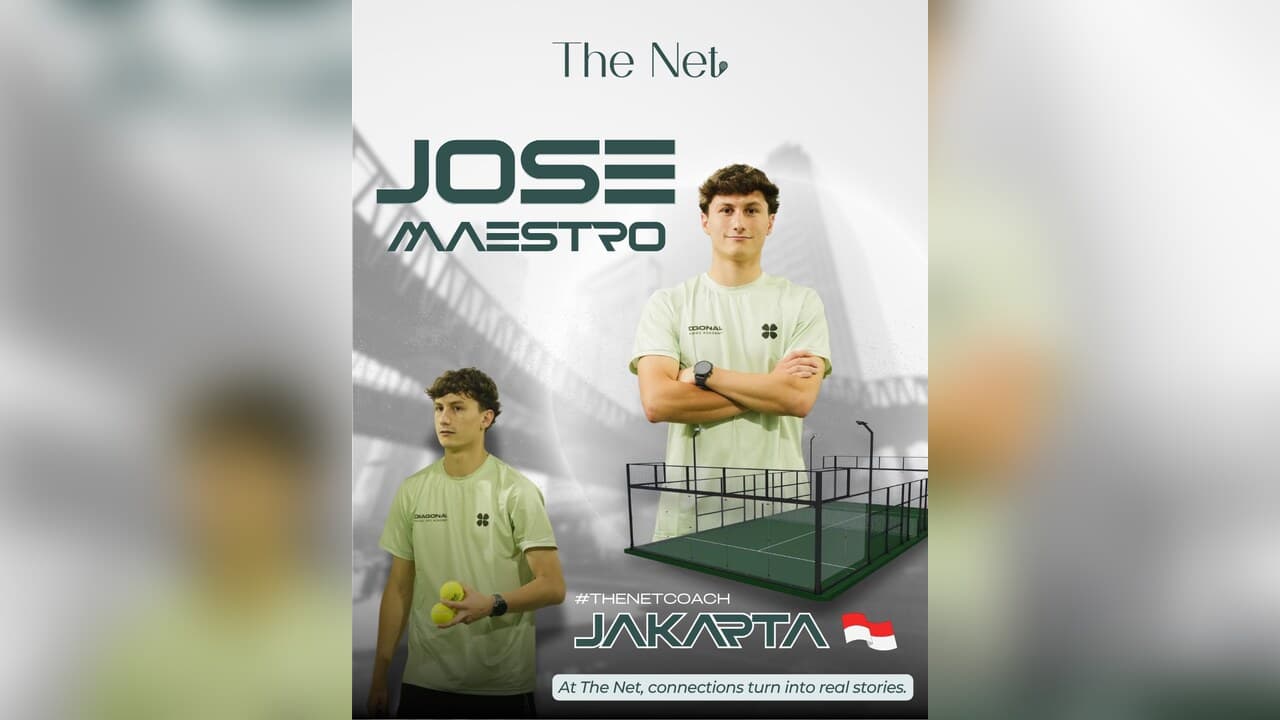
Success stories
Hiring a padel coach before your club is built
A club in Jakarta signed a coach while its courts were still going up, and then the build ran late. Why hiring a padel coach that early can still work.
September 10, 2026

Success stories
How to hire a padel coach who is not looking for a job
A club in Japan hired a padel coach who was settled in Italy, and paid him less than he earned there. What it offered instead of money, and why that worked.
September 9, 2026