


How to find good padel coaches
What to look for when hiring a padel coach, how to test a candidate properly in ninety minutes, and the mistakes that quietly cost clubs a season of revenue.
By The Net · August 23, 2026
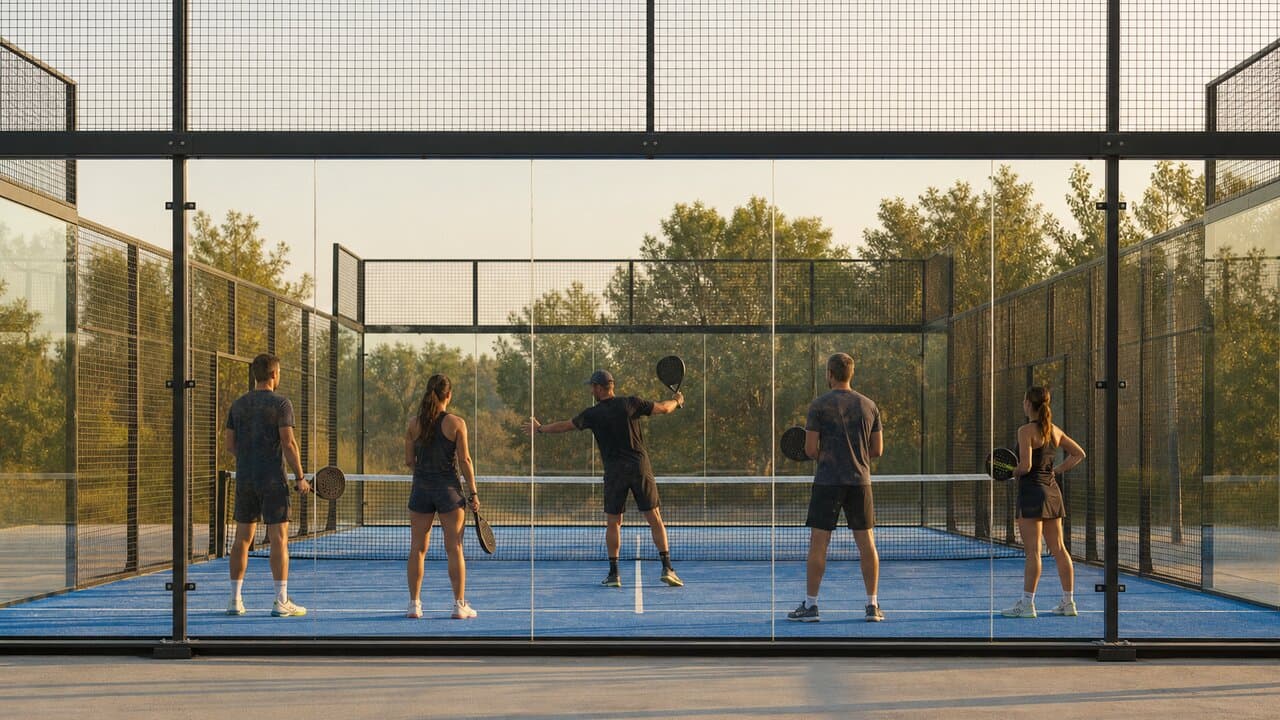
Most clubs begin the search by asking who plays best in the region. It feels like the efficient question and it produces the wrong shortlist. Finding good padel coaches has surprisingly little to do with finding good padel players, and the distance between those two things is where most hiring goes wrong.
The strongest player within fifty kilometres of your club is quite often a mediocre coach. The person who doubles your junior programme may never have won anything worth mentioning.
Why the best player is rarely the best hire
Playing level tells you what somebody can do. Coaching level tells you what they can get somebody else to do. Those are different skills, they are trained differently, and only one of them fills your courts on a Tuesday morning.
There is a quick way to see the difference in an interview. Ask a candidate to explain how they would teach a complete beginner to hit a bandeja. Most people answer that one well. Then ask how they would teach the same shot to a member who has been hitting it wrong for three years and is comfortable with their mistake. The second answer separates the field. Correcting an ingrained habit in an adult who is not sure they want to change requires patience, a plan, and a way of saying difficult things without losing the person. That is the job.
A coach who cannot answer the second question will still run enjoyable sessions. Your members simply will not improve, and eventually they will notice. Improvement is what people renew for. Enjoyment gets them through a term; visible progress gets them through three years.
What to look for in good padel coaches
Five things predict whether a coach earns their salary, and none of them appear on a playing CV.
Group control. Can they run a group of eight without anyone standing still? Watch how a candidate structures a rotation. Idle players get bored, bored players stop booking, and a coach who only knows how to teach one-to-one will quietly cap your revenue per court hour.
Memory. Good coaches remember names within two sessions. They remember that a member had knee surgery in March and that another one is preparing for a club tournament. This sounds like a personality trait. It is closer to a professional habit, and it is the single strongest predictor of whether members feel attached to your club rather than to a court booking.
Retention instinct. Ask what they do when a regular stops showing up. The answer you want involves picking up the phone. A coach who sees attendance as the club's problem rather than theirs will cost you more than their salary in churn.
Language. Can they teach in the languages your members actually speak on court? A technically excellent coach who cannot make themselves understood in a group of beginners is not an excellent coach in your club. If a candidate will be teaching in English as a second language, test that specifically, in a group, not across a desk.
Administrative reliability. Turning up, tracking who attended, flagging when a member is struggling, replying to messages. Unglamorous, and the thing that most often breaks first.
How to test it in ninety minutes
Run a paid trial session with real members before you make an offer. Not with two committee players who already hit well: with the actual group the coach would inherit, at the level they would inherit it.
Ninety minutes tells you what a CV never will. Watch for five things:
- How they open. Do they learn names in the first five minutes, or start drilling immediately?
- Talking to hitting ratio. Beginners need explanation. They also need repetitions. A coach who talks for a third of the session is coaching themselves, not the group.
- What they do with the weakest player. This is the whole test. Watch whether that person gets ignored, singled out, or quietly given a version of the drill they can succeed at.
- What happens when a drill fails. Every session has a moment where the plan does not work. Adjusting inside thirty seconds is experience. Repeating the same instruction louder is not.
- Whether members book again. Ask them afterwards, without the coach present. Members are blunt and they are usually right.
Pay for the trial. It signals you take the person's time seriously, and it means you can ask for a proper session rather than an audition.
If the candidate lives abroad, run the same test over video with a group at their current club. It is less revealing than being on court, but it is far better than an interview, and it costs nobody a flight. Several of the clubs we work with now do this as a first round and reserve the in-person trial for their final two candidates.
The mistakes that cost a season
Hiring on the playing CV. Covered above, and still the most common error by a distance.
Interviewing only in your own language. If your members are international and you interview in the club's home language, you have tested nothing about how the coach will actually work.
Skipping the trial because somebody recommended them. Recommendations tell you a coach was good somewhere else, with a different membership, at a different level. Run the trial anyway.
Leaving relocation to the end. If the best candidate lives in another country, the paperwork and the moving logistics decide whether the hire happens at all. Clubs routinely make an offer, then discover what sponsoring somebody involves. Ask in the first conversation, not the last. There is more on what a move abroad actually involves if you have not hired internationally before.
Not knowing the all-in cost. Salary is one line. Court time the coach occupies but does not generate revenue on, relocation support, equipment, and the ramp-up period before their groups fill are the others. A coach rarely arrives at full capacity. Budget for two or three months of building before the schedule pays for itself, and judge them on the trend rather than the first month's takings.
Deciding alone. The person who books the courts usually knows more about which coaches members like than the person who signs the contract. Ask them before the offer goes out, not after the first complaint.
Where to look, and what to do next
The honest answer is that your local pool is probably too small. Padel has grown faster than its coaching workforce almost everywhere, and clubs across Europe, the Gulf and Asia now recruit from Spain, Argentina and Portugal as a matter of routine. We have placed coaches in fifteen countries on that basis, and the clubs that do it well treat it as normal hiring with an extra logistics step, not as an exotic last resort.
Two practical next steps. If you already know the role you need, you can post it and start receiving applications. Coaches apply to you rather than the other way round. If you would rather understand the process first, how it works for clubs covers what posting a role involves and what happens once applications arrive.
And if you have hired well before, the clubs on our success stories page mostly did the same three things: they widened the search, they ran a real trial, and they asked about the paperwork early.
Keep reading
Hiring
Onboarding a foreign coach: the first 30 days
What a club should actually do in a new foreign coach first month, from before they land to their first full week of groups, and what quietly goes wrong.
August 24, 2026
Hiring
Ten interview questions that reveal teaching ability
Most padel coach interviews test whether someone can talk about padel. These ten questions test whether they can actually teach it, and what to listen for.
August 24, 2026
Success stories
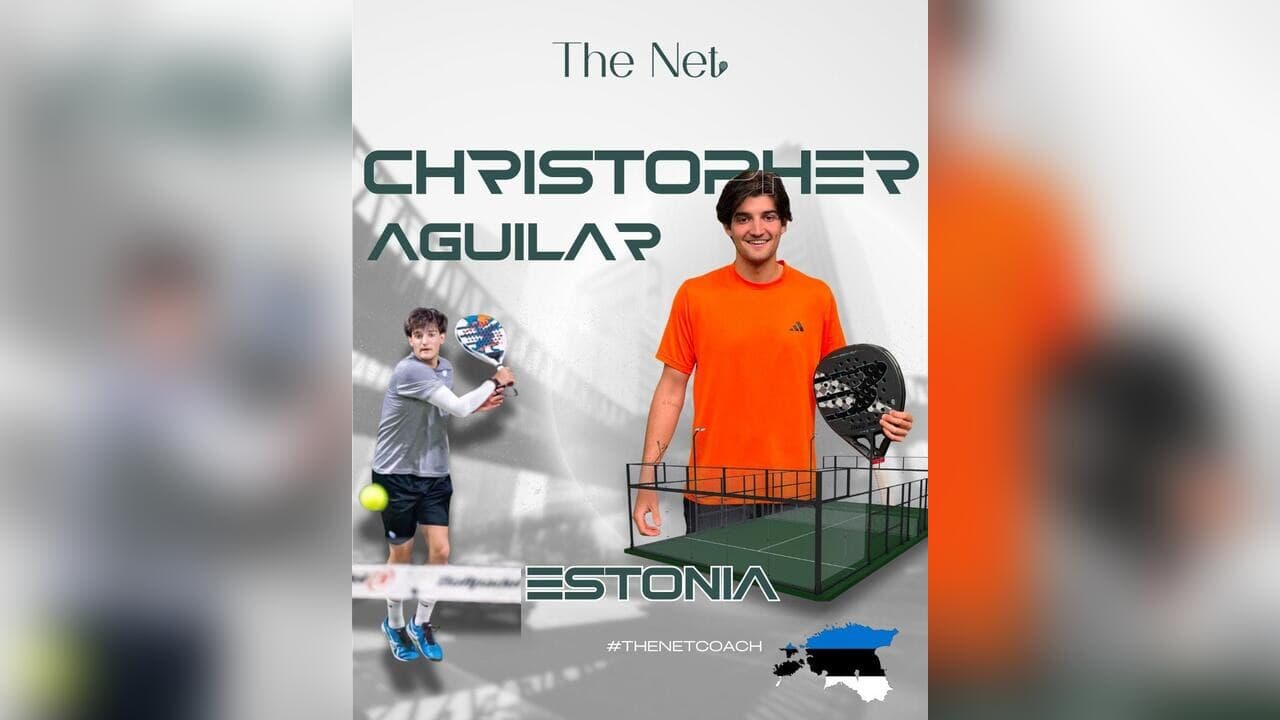
The padel coach interview that wins: talk about your project, not their CV
Christopher Aguilar interviewed with five clubs in Estonia and two made him an offer. The padel coach interview that won him was a conversation about the club.
September 20, 2026