


Ten interview questions that reveal teaching ability
Most padel coach interviews test whether someone can talk about padel. These ten questions test whether they can actually teach it, and what to listen for.
By The Net · August 24, 2026
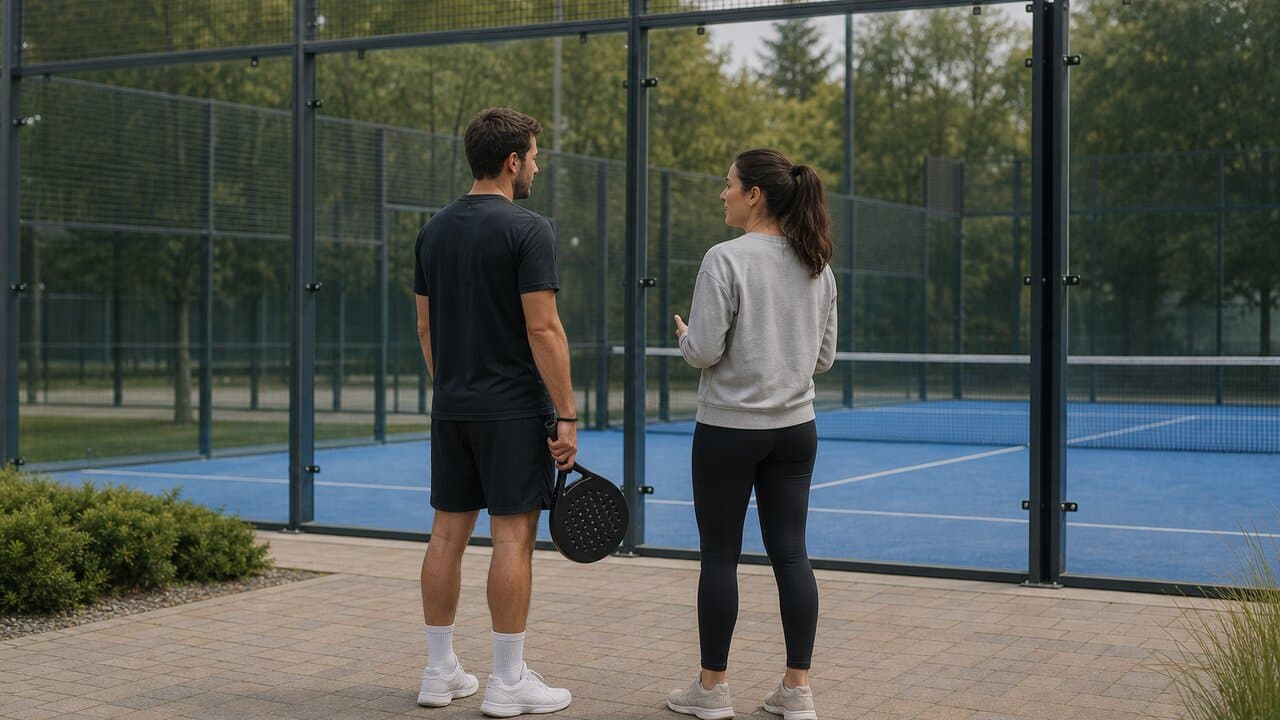
A padel coach interview usually goes the same way. The club asks about experience, certifications and playing level. The candidate answers well, because those questions have obvious answers. Both sides leave satisfied, and the club has learned almost nothing about whether this person can teach.
Teaching ability is not hidden. It just does not show up in response to the questions most clubs ask. The ten below are designed so that a coach who can teach answers them differently from a coach who plays well and hopes.
Ask these ten
1. Teach me something. You have two minutes.
Start here, before anything else, and hand over a racket if you have one. Watch whether they ask what you already know before they begin. Coaches who teach diagnose first. Coaches who present start explaining immediately.
2. How would you teach a beginner the bandeja? And how would you re-teach it to a member who has been hitting it wrong for three years?
Nearly everyone answers the first half well. The second half is the job. Fixing an ingrained habit in an adult who is not certain they want to change requires a sequence, patience, and a way of saying awkward things without losing the person. Listen for a plan with stages, not a single tip.
3. Eight players, wildly different levels, one court, one hour. What does that session look like?
This is the most common reality in a club and the least common thing candidates have thought about. Strong answers involve differentiating the same drill rather than splitting the group into "good" and "bad". Weak answers involve wishing the group were smaller.
4. A member tells you they are not improving. What do you do?
You are listening for whether they treat it as information rather than criticism. The best answers usually start with a question back to the member. The worst reach immediately for reassurance.
5. What happens in the first five minutes with a group you have never met?
Names. Some idea of who has played before. A read on why each person is there. If the answer is "warm up and start hitting", you are hiring someone who will run sessions rather than build a group.
6. Tell me about a player you could not help.
Every experienced coach has one, and most have several. The answer tells you two things at once: whether they reflect on their own work, and whether they can admit a limit without blaming the player. Candidates who claim it has never happened are either inexperienced or not being straight with you.
7. A drill is not working. The group cannot do it and it is falling apart. What now?
Adjusting within thirty seconds is experience. Repeating the same instruction more loudly is not. Ask what they would change specifically: the distance, the feed, the number of contacts, the success criteria.
8. How do you decide someone is ready to move up a group?
This tests whether they think in terms of progression at all. A coach with an answer here will structure your academy without being asked. A coach without one will keep everybody where they are, which is comfortable and quietly kills your retention.
9. Which of your current players would be sorry if you left, and why?
An unusual question, and the answers are revealing. Coaches who have built relationships name people and reasons within seconds. Coaches who deliver lessons and go home struggle. You are hiring for the first kind.
10. What would you need from us to do this job well?
A coach who has never thought about what a club owes them has probably not held a serious coaching role. Good answers are concrete: court access at particular times, a say in how groups are organised, clarity on who handles bookings. This question also gives you a preview of how they will raise a problem six months in.
Two follow-ups are worth keeping in reserve. Ask what they would do differently if the group were twice the size, which separates people who have a method from people who have a routine. And ask how they would handle a member who is disruptive rather than weak: it is the situation coaches complain about most and prepare for least, and the answer tells you whether they will bring the problem to you or quietly let the group thin out.
What to do with the answers
Do not score them like a test. Look for the pattern.
The coaches worth hiring keep bringing the conversation back to the player: what the player understood, what the player could do afterwards, why the player kept coming. The ones to be careful with keep bringing it back to themselves: what they explained, what they know, how they play.
That distinction shows up across all ten answers, and it is more predictive than any single response. Language ability matters too, especially if your members are international. A coach who cannot run a group in the language your members speak is not the right coach for your club, however well they answer in the interview.
The mistakes that make interviews useless
Interviewing in the wrong language. If your members speak English on court and you interview in your own language, you have tested nothing that matters. Do part of it in the language they will actually teach in, and ideally with a group rather than across a desk.
Asking questions with obvious right answers. "Do you enjoy working with juniors?" tells you nothing. Everybody says yes. Ask instead what they changed about their junior sessions last season.
Talking more than the candidate. Clubs frequently spend an interview selling the role. If you are speaking for more than a third of it, you are not gathering information.
Deciding on the playing CV afterwards anyway. It happens constantly: a club runs a thoughtful interview, then hires the strongest player in the shortlist because it feels safer. If you were going to do that, the interview was theatre. There is more on why that instinct misleads in our guide to finding good padel coaches.
Leaving relocation to the end. If the best candidate lives abroad, the practicalities decide whether the hire happens at all. Ask in the first conversation what a move actually involves for them, rather than discovering it after you have made an offer.
After the interview
Two candidates will usually stand out, and they will rarely be the two with the best playing records. Run trials with both. Ask the members afterwards, without the coaches present, and give weight to what they say: members are blunt about coaching in a way committees rarely are, and they are the ones who decide whether the groups fill next term.
If you do not have a shortlist yet, that is the step before this one: post the role and interview the coaches who apply. If you have not recruited through us before, how it works for clubs explains what happens between posting and your first interview.
Keep reading
Hiring
Onboarding a foreign coach: the first 30 days
What a club should actually do in a new foreign coach first month, from before they land to their first full week of groups, and what quietly goes wrong.
August 24, 2026
Hiring
How to find good padel coaches
What to look for when hiring a padel coach, how to test a candidate properly in ninety minutes, and the mistakes that quietly cost clubs a season of revenue.
August 23, 2026
Success stories
The padel coach interview that wins: talk about your project, not their CV
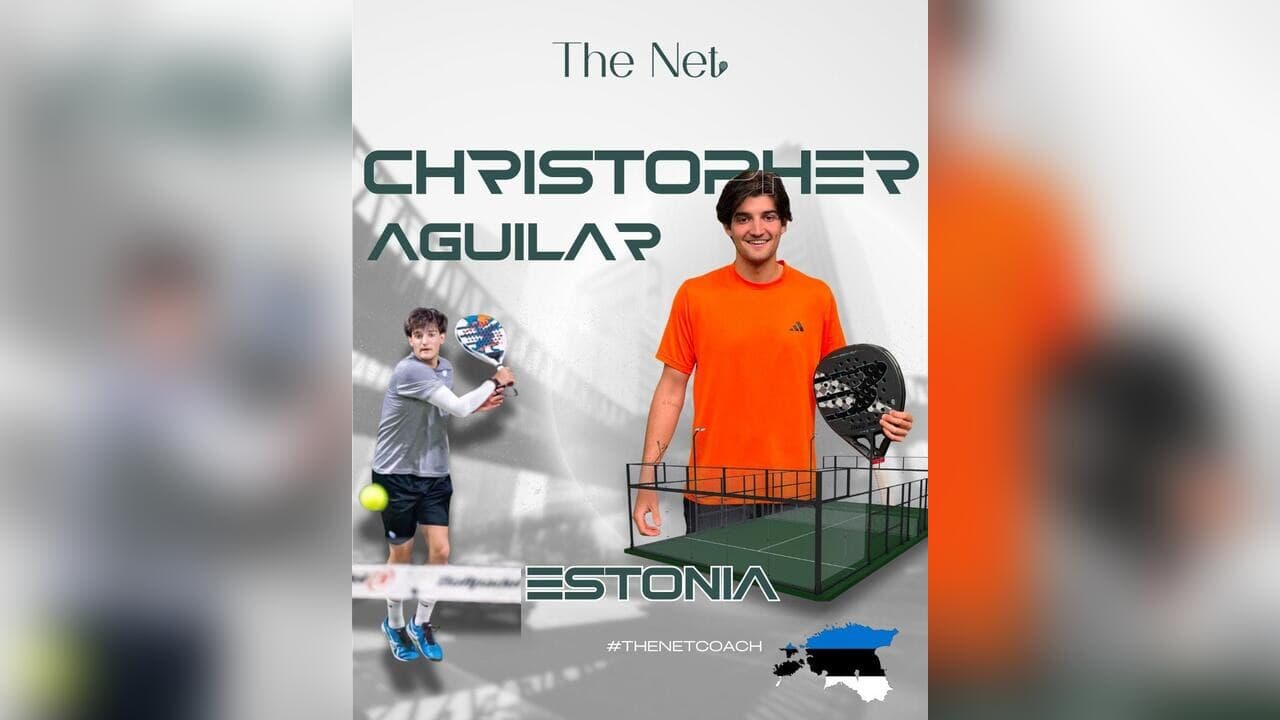
Christopher Aguilar interviewed with five clubs in Estonia and two made him an offer. The padel coach interview that won him was a conversation about the club.
September 20, 2026