


Hiring a padel coach from abroad: what made one coach say yes
Matías Chaves applied to exactly two jobs and took one of them. What that club did to win him, and what it says about your own listing and hiring process.
By The Net · August 31, 2026

Matías Chaves was working two jobs in Spain. He coached at a club near Madrid and waited tables in the evenings, because neither wage covered his rent on its own. He now coaches in Dubai on one salary and no second job.
To get there he applied to two roles. Not forty, not fifteen. Two.
That number is the part of his story worth your attention if you are hiring a padel coach from abroad, because it tells you what your listing is actually competing against. He answered our questions in Spanish; the quotations here are translated.
The coach you want is not sending out fifty applications
"I applied to two, Hong Kong and Dubai. A month after putting my application in, the club had already chosen me."
Clubs tend to picture the international coach market as a flood of candidates spraying CVs at everyone. That describes the bottom of the market. The coaches you actually want are working full weeks already, they are tired, and they open a job board once every few months. When they do, they shortlist three or four roles that look serious and ignore the rest.
Your listing is not competing with every other club in the world. It is competing for a slot on a very short list, and it gets there or it does not in the fifteen seconds someone spends reading it. What puts it on the list is boring and specific: real numbers of hours, a real salary figure, whether accommodation exists, whether you have hired from outside the country before. A post that says "competitive package, great club, immediate start" tells an experienced coach nothing and gets skipped by exactly the people you were hoping to reach.
Four conversations and a decision
The process he went through was short but not casual.
An interview with us, then three video calls with the club: one with the manager, one with the owner, one more before the offer. Four conversations in total before anything was signed.
Notice who was on those calls. The owner made time for a coaching hire. In clubs where that does not happen, the decision usually stalls for weeks in the gap between the person who wants the coach and the person who signs off the cost, and good candidates take other offers in the meantime. If you cannot get a decision maker onto a call within a fortnight, you are not really in the market.
They did not hire the best player
We asked him why he thought they picked him.
"They chose me for the passion and commitment in my work."
He did not mention his level. Neither do most of the coaches we ask, and neither do most of the clubs. What clubs describe wanting, once you push past the CV, is somebody who will still be running a full Tuesday evening group in February, who chases the member who stopped coming, and who does not need managing.
That is assessable, and most trial processes do not assess it. Putting a candidate on court with two strong players tells you they can rally. It tells you nothing about whether they can hold eight beginners together for a season. The interview questions that actually reveal teaching ability are a better use of the same hour.
The thing that made the move work was communication, not paperwork
"In my case the whole process was very fast. The communication between the agency and the club was very clear."
Relocations rarely stall on the law. They stall because two parties each assume the other is driving, and three weeks disappear before anyone notices nothing has moved. The clubs that get coaches through quickly are not the ones in easy countries. They are the ones where a named person owns the process and answers within a day.
If you have never hired from abroad, the coach's view of that same process is worth reading before you start, because it lists the questions a good candidate will ask you: what happens between the offer and the first lesson. Being unable to answer them is what loses you the hire.
The part that decides whether they stay
Ask a relocated coach about their first weeks and you get the honest answer.
"You end up finding a new family in your colleagues, because it is hard to be far from your people and outside your comfort zone."
Both halves matter. It is hard, and what fixes it is the people at the club rather than anything logistical. A coach who has a team by week three renews. A coach who eats alone for two months starts reading job listings again in the spring, and you pay the recruitment cost twice.
None of the fix is expensive. Introductions to the members who book most, someone going with them to open a bank account, a first fortnight of accommodation that already exists. It is set out in detail in the first thirty days of onboarding a foreign coach.
The sentence clubs should read twice
We asked what he would do differently.
"I wish I had applied earlier and left Spain sooner. I think the ceiling there is very low if you have not come from the professional circuit."
There is a large group of experienced Spanish and Argentine coaches in exactly the position he was in: qualified, working full weeks, earning too little to live on one job, and not yet looking. They are not on any job board today. They become available the week a role appears that is obviously better than what they have, and "obviously better" is a lower bar than most clubs assume once you are comparing against two part-time wages.
He now works one job for four times what the two paid together. That figure is his, in Dubai, and we would not promise it to anyone. The transferable half of it is simpler: he stopped needing a second income to coach padel.
Where this leaves you
If your last coach search produced a weak shortlist, the likeliest explanation is not that good coaches are scarce. It is that the ones you wanted looked at four listings that month and yours was not one of them.
How hiring works for clubs covers what a role needs to say and what happens after you post it. If you already know the position you need to fill, posting it puts it in front of coaches who are looking right now.
Keep reading
Success stories
The padel coach interview that wins: talk about your project, not their CV
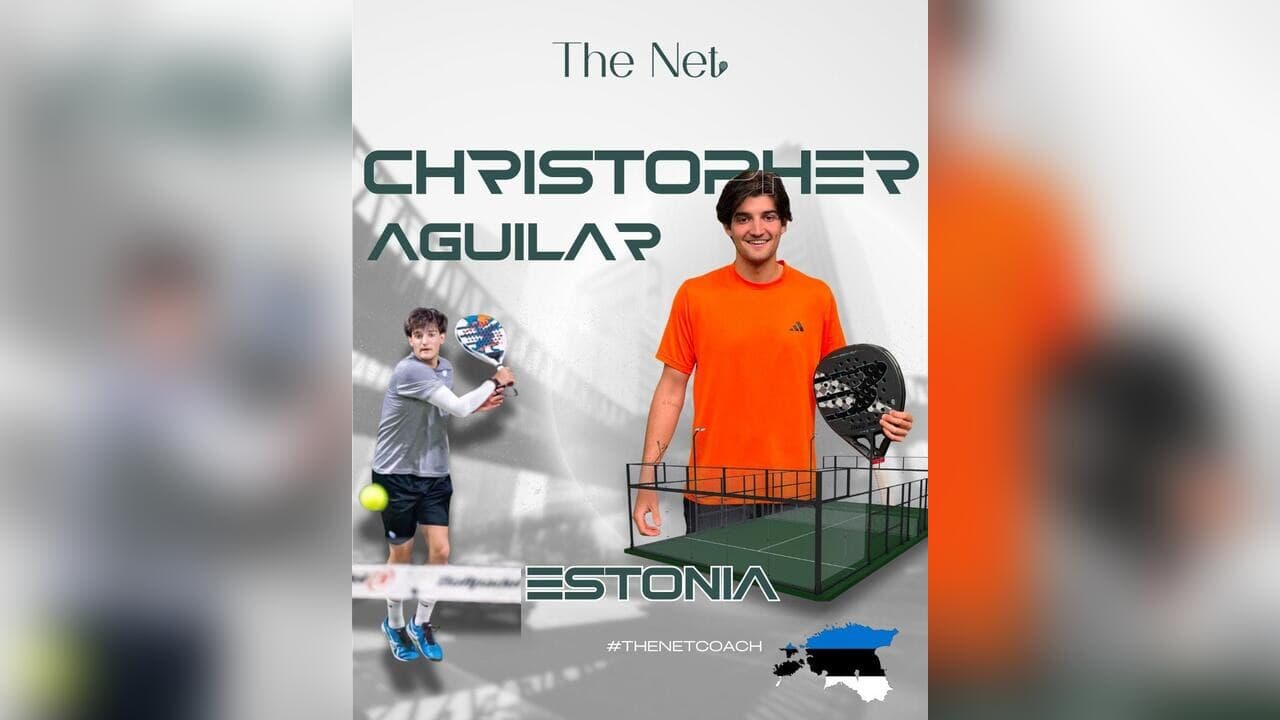
Christopher Aguilar interviewed with five clubs in Estonia and two made him an offer. The padel coach interview that won him was a conversation about the club.
September 20, 2026

Success stories
Hiring a padel coach before your club is built
A club in Jakarta signed a coach while its courts were still going up, and then the build ran late. Why hiring a padel coach that early can still work.
September 10, 2026

Success stories
How to hire a padel coach who is not looking for a job
A club in Japan hired a padel coach who was settled in Italy, and paid him less than he earned there. What it offered instead of money, and why that worked.
September 9, 2026